
Dental Bonding in Katy, Houston, TX
Dental bonding helps enhance the look of teeth by refining shape and color without removing much natural enamel. For minor chips, uneven edges, and small surface flaws, dental bonding in Katy, Houston, TX, can be a practical option when the tooth structure is otherwise healthy. The material is applied directly to the tooth, then shaped and polished so it blends in with nearby teeth.
This approach is often recommended for patients who want a noticeable improvement without more extensive dental work. While bonding is effective for many cosmetic concerns, a proper dental evaluation is important to confirm whether it is the right option based on your oral health and long-term goals.
Benefits of Dental Bonding for Everyday Smile Concerns
Dental bonding offers a conservative way to improve the appearance of teeth without removing significant natural structure. For front teeth with small cosmetic concerns, teeth bonding in Katy, Houston, TX, can help create a smoother, more even smile while maintaining the integrity of the tooth.
Key benefits include:
- Repairs chipped, cracked, or slightly damaged teeth
- Helps close small gaps between teeth
- Improves uneven or misshapen tooth edges
- Blends with natural tooth color for a seamless look
- Completed in a single visit in most cases
- More cost-conscious than many cosmetic alternatives
Because the composite resin is matched to your natural tooth color, the result blends in rather than standing out. While durable, the material can stain over time and may require maintenance, which is a normal part of long-term care.
Who May Benefit from Dental Bonding?
Bonding is a good option for treating minor flaws on the tooth surface, but it may not be appropriate for larger structural issues. When small adjustments in shape, contour, or spacing are needed, composite bonding in Houston can provide a balanced and natural-looking result.
This treatment may be recommended for:
- Chipped, cracked, or slightly worn teeth
- Gaps that affect smile appearance
- Discoloration that does not respond to whitening
- Uneven or misshapen teeth
- Minor surface damage or early wear
A dentist will evaluate your teeth, bite alignment, and oral habits before recommending bonding. Factors such as teeth grinding or heavy bite pressure can affect durability, and in those cases, alternative treatments may be discussed to support long-term success.
What Happens During a Dental Bonding Procedure
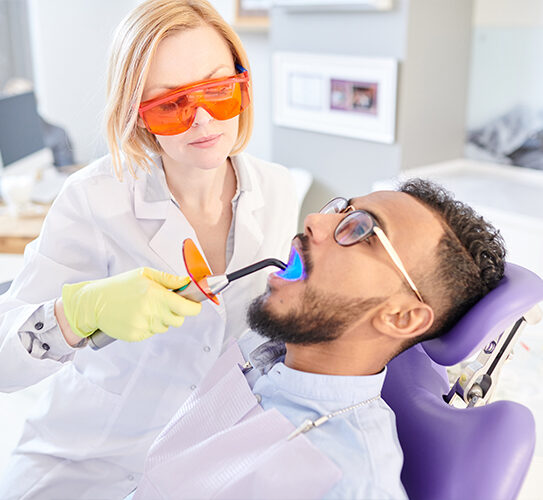
Dental bonding is a straightforward procedure that focuses on improving the appearance of a tooth while maintaining comfort. The effectiveness of dental bonding often depends on proper case selection and careful technique during placement.
The process typically includes:
- Evaluating the tooth to confirm bonding is appropriate
- Selecting a composite shade that matches natural enamel
- Gently preparing the tooth surface
- Applying tooth-colored composite resin
- Shaping and sculpting the material for a natural look
- Hardening the material with a curing light
- Polishing the tooth for a smooth finish
- Checking the bite for proper alignment
This step-by-step approach helps ensure that the final result looks natural and functions comfortably.
Recovery, Longevity, and Aftercare
Dental bonding does not usually require downtime, and most patients return to normal activities immediately. For small cosmetic refinements, cosmetic bonding in Katy, TX can maintain its appearance well with consistent oral care and routine dental visits.
To protect your results:
- Maintain daily brushing and flossing
- Limit foods and drinks that may stain
- Attend regular dental checkups
- Follow your dentist’s care recommendations
Over time, bonding may require polishing or minor repair. Ongoing dental exams help your dentist monitor the bonded tooth and support its long-term appearance.
Why Patients Trust This Dental Office for Bonding Care
Selecting a dental office for cosmetic care involves more than choosing a procedure. For small smile improvements that do not require crowns or veneers, teeth bonding in Katy, TX, can be part of a conservative treatment plan that supports both appearance and long-term oral health.
A+ Family Dental emphasizes patient-centered care supported by clinical experience and modern technology. The team includes experienced providers such as Dr. Shweta Loya, who brings more than 20 years of patient care experience. Digital tools support accurate diagnosis and treatment planning, helping ensure precise results.
The practice also offers:
- Multilingual patient support
- Family-friendly care for all ages
- Convenient scheduling, including Saturdays
- A focus on clear communication and comfort
A trusted dental office should always prioritize personalized care, ensuring that each treatment supports both function and aesthetics. Patients from Katy, Houston, and nearby communities benefit from treatment plans tailored to their specific cosmetic goals and oral health needs.
Take the Next Step Toward a More Confident Smile
Schedule your visit with A+ Family Dental at 17748 Katy Fwy #5, Houston, TX 77094 to learn how dental bonding can improve your smile. A personalized evaluation helps determine the most appropriate treatment for your needs.
FAQ's
Yes, dental bonding uses a high-density, tooth-colored resin to reshape the edges of your dentition, successfully masking chips or a minor diastema (gap). At A+ Family Dental, Dr. Shweta Loya manually sculpts this material to match the subtle curves and translucency of your natural enamel. Since the resin bonds directly to the tooth, the final result serves as an organic extension of your smile. This is a highly efficient, single-visit solution for patients in the Greater Houston area looking to improve dental symmetry without invasive procedures.
The lifespan of a dental bonding restoration typically ranges from five to seven years, depending on the mechanical forces it faces during daily mastication. While the high-grade resin is engineered for strength, it can wear down or dull over time, eventually requiring a professional polish or replacement. To preserve the structural integrity of the bond, Dr. Shweta Loya recommends that patients in Katy and Cypress avoid habits like ice-chewing or nail-biting, which can chip the composite material.
Unlike porcelain, which is non-porous, the composite resin used for Dental Bonding in Houston can absorb pigments from dark liquids like coffee, tea, or red wine. To keep the shade consistent with your surrounding teeth, Dr. Shweta Loya suggests rinsing with water after consuming staining beverages. If surface discoloration does occur, a quick visit to our office on the Katy Freeway for a professional cleaning and surface refinement can often revitalize the original luster of the restoration.
No, dental bonding is a non-invasive procedure that typically requires no local anesthesia or heavy drilling. Dr. Shweta Loya utilizes a microscopic etching process to gently roughen the enamel surface, allowing the adhesive to grip the tooth securely. For our patients in West Houston, this represents a stress-free, "anxiety-free" way to repair minor aesthetic flaws and enhance smile harmony in a single appointment under an hour.
Dental bonding is often preferred over veneers when a patient seeks a reversible, cost-effective, and immediate repair for minor flaws. While porcelain veneers involve the removal of some enamel and a multi-week laboratory process, bonding can be completed chairside by Dr. Shweta Loya in one visit. It is an ideal solution for Energy Corridor professionals who need to fix a chipped tooth or close a small gap quickly and efficiently without a long-term time commitment.